WONACH SUCHST DU?
 Produktkategorien
Kubisches Bornitrid (CBN) Einkristall und Mikropulver CAS-Nr. 10043-11-5
Physikalische und chemische Eigenschaften
(1) Mechanische Eigenschaften
*Extrem hohe Härte: Nach Diamant zählt es zu den härtesten bekannten Materialien und übertrifft herkömmliche Schleifmittel bei Weitem. Es bearbeitet ultraharte Metalle mühelos, sorgt für scharfe Schneidkanten und ist abriebfest beim Schleifen.
*Überlegene Verschleißfestigkeit: Mehr als viermal so hoch wie bei herkömmlichen Schleifmitteln, wodurch der Schleifmittelverbrauch reduziert, die Lebensdauer der Schleifscheiben verlängert, die Ersatzkosten gesenkt und eine kontinuierliche, unterbrechungsfreie Produktion ermöglicht wird.
*Hervorragende Biegefestigkeit: Die stabile monokristalline Struktur hält hohen Schleifbelastungen stand, ohne abzusplittern oder zu brechen, und gewährleistet so einen stabilen und sicheren Schleifvorgang.
(2) Thermische Eigenschaften
*Hervorragende thermische Stabilität: Weitaus besser als Diamant, behält es seine volle Härte und strukturelle Integrität auch unter Hochtemperatur-Schleifbedingungen und ermöglicht so ein schnelles und effizientes Schleifen ohne Leistungseinbußen bei erhöhten Temperaturen, wie sie bei herkömmlichen Schleifmitteln auftreten.
*Gute Wärmeleitfähigkeit: Leitet die beim Schleifen entstehende Wärme schnell ab, senkt die Temperaturen in der Kontaktzone, um Werkstückverformungen und Rissbildung zu verhindern, verlangsamt die thermische Alterung der Schleifmittel und verlängert die Werkzeugstandzeit.
(3) Chemische Eigenschaften
CBN zeichnet sich durch außergewöhnliche chemische Inertheit aus und reagiert selten mit anderen Substanzen. Beim Schleifen von Eisenmetallen und legierten Stählen geht es keine chemische Reaktion mit den Werkstücken ein. Dadurch bleiben die Schneidkanten scharf, der Schnittwiderstand wird reduziert, eine hohe Werkstückqualität gewährleistet und die Schleifleistung gesteigert. Es ist das führende Schleifmittel für die Eisenmetallbearbeitung.
BoronHub-kundenspezifisch entwickelte CBN-Monokristallserie
HBCBN76
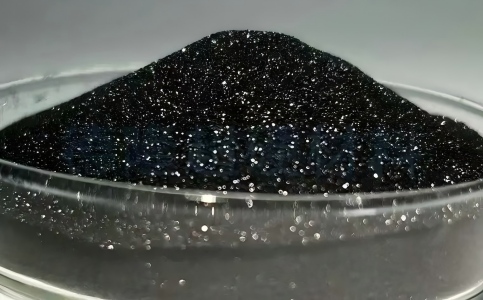
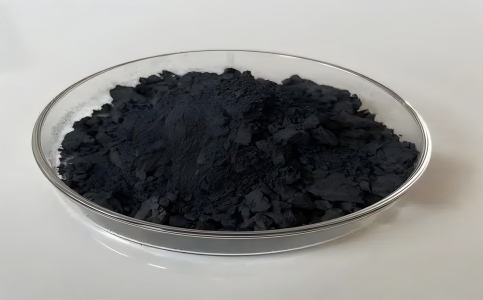
Titan-Härteindex: ≥76 Verfügbare Korngrößen: 80/100 ~ 325/400 Beschreibung: Tiefschwarze Einkristalle mit vollständig regelmäßiger Blockmorphologie, zahlreichen intakten Kristallflächen und scharfen Kanten. Dank seiner extrem hohen Festigkeit und thermischen Stabilität eignet es sich für Schwerzerspanung und ist mit Metall- und Hartmetallbindungen kompatibel.
HBCBN71
Titan-Härteindex: ≥71 Verfügbare Korngrößen: 80/100 ~ 325/400 Beschreibung: Tiefschwarze, unregelmäßige Block-Einkristalle mit zahlreichen scharfen Kanten. Sie vereinen hervorragende Schärfe und Selbstschärfung mit hoher Festigkeit und thermischer Stabilität und bieten so hohe Effizienz und lange Lebensdauer. Geeignet für keramische und hochfeste Komposit-Adhäsivsysteme.
HBCBN69
Titan-Härteindex: ≥69 Verfügbare Korngrößen: 80/100 ~ 325/400 Beschreibung: Braune, regelmäßige Block-Einkristalle mit hoher mechanischer Festigkeit und thermischer Stabilität sowie geschichteten Spaltflächen. Kompatibel mit Hochtemperatur-Verglasungs-, Metall- und galvanischen Bindungssystemen.
HBCBN63
Titan-Härteindex: ≥63 Verfügbare Korngrößen: 80/100 ~ 325/400 Beschreibung: Braune, unregelmäßige Einkristalle mit ausgezeichneter Schärfe und kontrollierter Mikrobruchfähigkeit. Geeignet für Hochtemperatur-Verglasungs-, Harz- und galvanische Bindemittelsysteme.
BoronHub-kundenspezifisch entwickelte CBN-Mikropulverserie
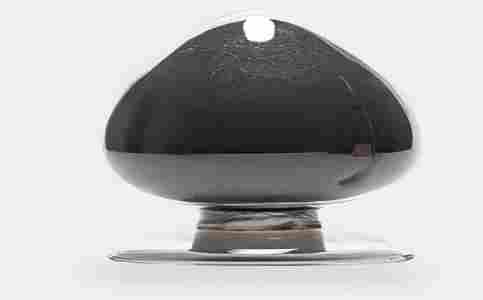
CBN-Mikropulver wird durch Zerkleinern, Formen, Reinigen und Klassieren von CBN-Einkristallen hergestellt und in Sinter-Mikropulver und Ultrapräzisions-Läpppulver unterteilt. Dank seiner hervorragenden Selbstschärfungseigenschaften und hohen Reinheit eignet es sich zur Herstellung gesinterter, superharter Schneidwerkzeuge sowie zum Präzisionsschleifen, Polieren und für die Feinstbearbeitung. Das Standard-CBN-Mikropulver von BoronHub entspricht internationalen Korngrößennormen und umfasst zwölf verschiedene Qualitäten mit mittleren D50-Partikelgrößen von 1,25 μm bis 32 μm.
Was sind die Anwendungsgebiete und Endverwendungen von kubischem Bornitrid (CBN)?
Dank seiner extrem hohen Härte, außergewöhnlichen Verschleißfestigkeit und überlegenen thermischen Stabilität findet CBN breite Anwendung in drei Kernbereichen: Schleifwerkzeuge, Schneidwerkzeuge und Funktionswerkstoffe. Es bietet unübertroffene Leistung bei der Bearbeitung von Eisenmetallen und ermöglicht hochpräzise, hocheffiziente Bearbeitung bei gleichzeitig geringeren Gesamtkosten. Das vollständige CBN-Produktportfolio von BoronHub (Monokristalle und Mikropulver) zeichnet sich durch hohe Reinheit, robuste thermische Stabilität und ein umfassendes Partikelgrößenspektrum aus, um unterschiedlichsten Bearbeitungsanforderungen gerecht zu werden. Detaillierte Anwendungen und Spezifikationen finden Sie unten.

I. Schleifmittelsektor (Kernanwendung)
CBN-Einkristalle und -Mikropulver sind die grundlegenden Rohstoffe für CBN-Schleifscheiben. Durch die Mischung mit verschiedenen Bindemitteln entstehen Spezialschleifmittel, die herkömmliche Alternativen hinsichtlich minimalem Verschleiß, längerer Standzeit, höherem Durchsatz und überlegener Maßgenauigkeit übertreffen. Sie eliminieren Werkstückfehler und eignen sich für automatisierte Fertigungslinien.
Passende CBN-Einkristall-Sorten und Radklebstoffsysteme:
*Verglaste CBN-Schleifscheiben: Braune, unregelmäßige CBN-Einkristalle mit Ti ≥63, hervorragende Schärfe und kontrollierte Mikrorissbildung; Korngröße 80/100 ~ 325/400
*Metallgebundene CBN-Schleifscheiben: Regelmäßige braune Block-CBN-Einkristalle mit Ti ≥69, hoher Festigkeit, thermischer Stabilität, geschichteten Spaltebenen und guter Mikrobruchfestigkeit; Korngröße 80/100 ~ 325/400
*Harzgebundene CBN-Schleifscheiben: Braune, unregelmäßige CBN-Einkristalle mit Ti ≥63, ausgezeichnete Schärfe und Mikrobruchfähigkeit; Korngröße 80/100 ~ 325/400
*Elektroplattierte CBN-Schleifscheiben: Braune, unregelmäßige CBN-Einkristalle mit Ti ≥63, überlegene Schärfe und kontrollierte Mikrorissbildung; Korngröße 80/100 ~ 325/400
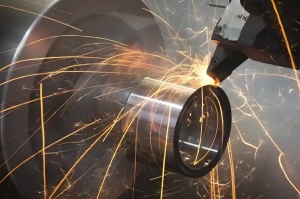
II. Sektor Schneidwerkzeuge
CBN-Einkristalle werden zu CBN- und PCBN-Schneidplatten verarbeitet. Hochreines, verschleißfestes und thermisch stabiles CBN-Mikropulver dient zur Herstellung langlebiger PCBN-Verbundrohlinge und polykristalliner Sinterkörper. CBN-Schneidwerkzeuge zeichnen sich durch ihre hohe Leistungsfähigkeit beim Hochgeschwindigkeitsdrehen ultraharter Eisenlegierungen aus und erreichen eine mehr als zehnmal längere Standzeit als herkömmliche Werkzeuge. Sie finden breite Anwendung in der Automobilindustrie für Motorkomponenten aus Gusseisen und steigern die Bearbeitungseffizienz und Oberflächenqualität deutlich.
III. Sektor Funktionelle Materialien
Mit dem Fortschritt der Mikroelektronik hin zu höherer Integrationsdichte wird hochwärmeleitfähiges CBN-Einkristallmaterial als Füllstoff in Verbundwerkstoffen zur Verkapselung elektronischer Bauteile eingesetzt. Es erfüllt die Anforderungen an die Wärmeableitung von hochfrequenten, wärmeerzeugenden Chips und unterstützt so technologische Weiterentwicklungen in der Halbleiterindustrie.
Zusammenfassung
CBN zeigt in der Bearbeitung von Eisenmetallen eine unübertroffene Leistung mit zehnmal höheren Abtragsraten als Diamant. Es ermöglicht eine effiziente, hochpräzise und energiesparende Fertigung und senkt die Gesamtproduktionskosten. BoronHub bietet maßgeschneiderte CBN-Sorten, die auf spezifische Bindungssysteme und Bearbeitungsanforderungen abgestimmt sind, um die Leistungsvorteile des Materials voll auszuschöpfen.